
Ukrainians live in a country with a complex and traumatic history. HITT-Q helps explore how family history is linked to family relationships, vulnerabilities, and resources in subsequent generations
Join us in continuing this research
The main phases of the Ukrainian HITT-Q research program have been completed, but data collection is ongoing. New responses will help validate the findings, identify new patterns, and deepen our understanding of the transgenerational experiences of Ukrainians.
We invite you to participate in the survey. After completing the basic version of the HITT-Q, you will receive a personalized interpretation of your results. You can use this for self-reflection or as a resource in therapeutic work with transgenerational trauma.
Select a survey based on your objective: a basic assessment with automatic individualized scoring, or participation in a research study
Please note
The questionnaire currently available on this page is the Ukrainian adaptation of the HITT-Q, developed and validated specifically for people with experience of Ukrainian collective traumas — the Holodomor, Soviet occupation, and the ongoing war. If you are not from this cultural context, the results may not be meaningful or accurate for your experience.
However, if you have Ukrainian-speaking friends or family members who might benefit from this tool — feel free to share this link with them.
We are actively working on adaptations for other cultural and linguistic contexts. If you are a researcher interested in collaboration, or if you would like to be notified when a version relevant to your background becomes available — please contact us at.
Thank you for your interest in this work.
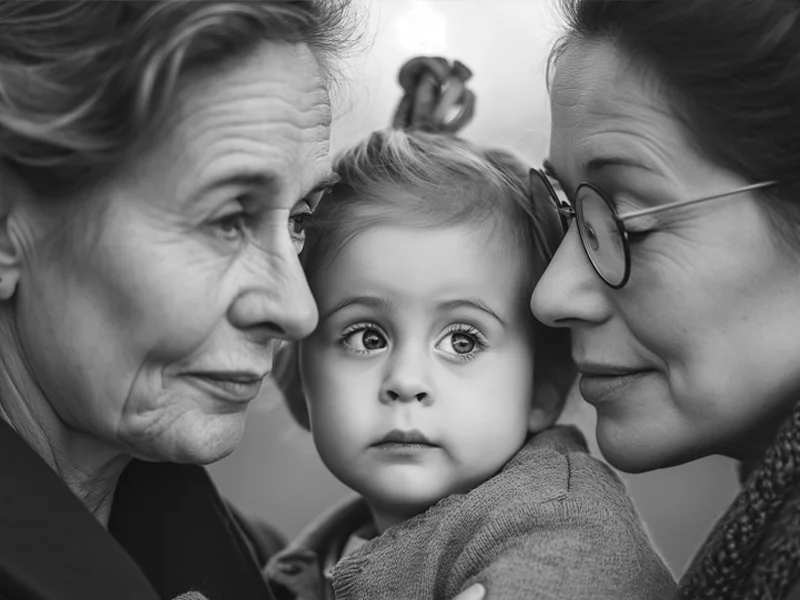
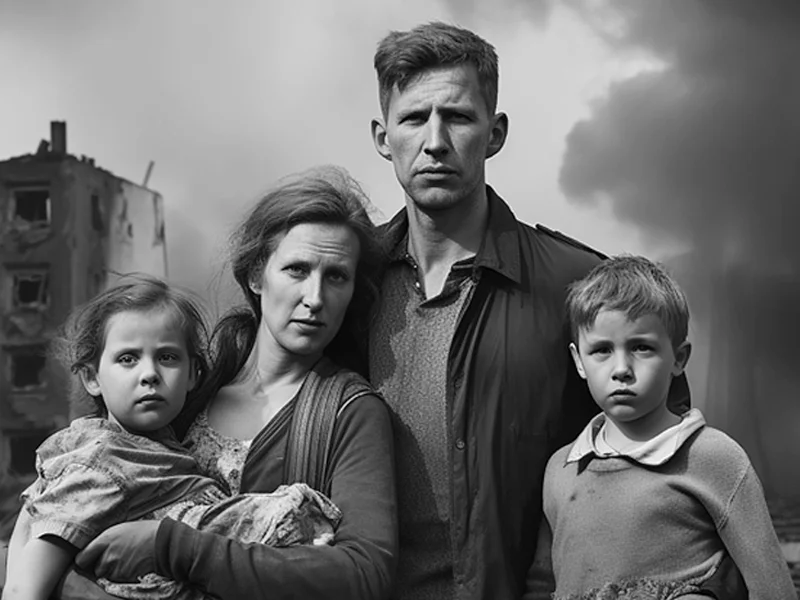
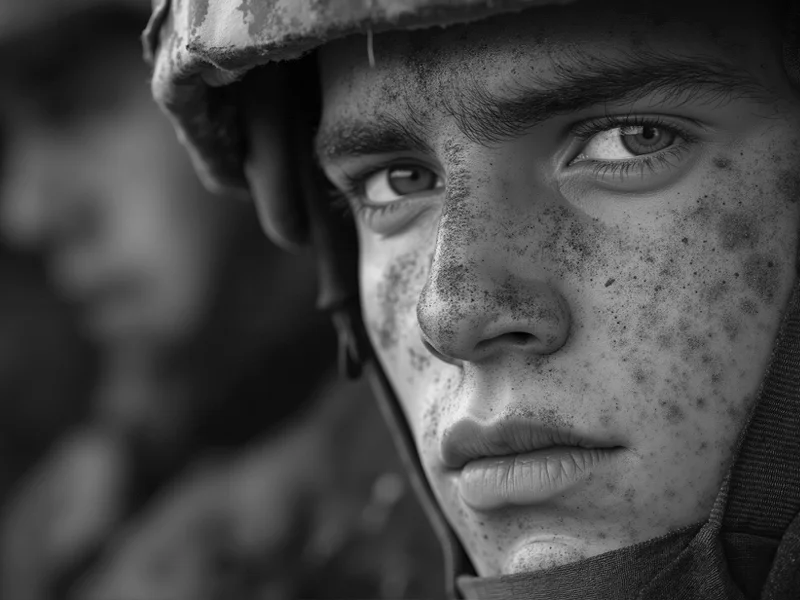
Every family history is part of the history of society. Research into family histories preserves the memory of the past, deepens our scientific understanding of transgenerational experiences, and contributes to the development of more sensitive psychological support for current and future generations.
Take the survey!